Savannah
Protect African elephants | Mara Elephant Project
How Mara Elephant Project uses GPS tracking, drones, and over 100 rangers to combat poaching, human-elephant conflict, and habitat loss across Kenya's Greater Mara Ecosystem.
The Crisis
The Greater Mara Ecosystem (GME) is an extension of the Serengeti and one of the last major wildlife refuges on Earth. Despite covering only about 0.1% of Africa's land surface, it supports an estimated 40% of the continent's large mammal species and hosts the annual migration of nearly two million wildebeest and zebra.
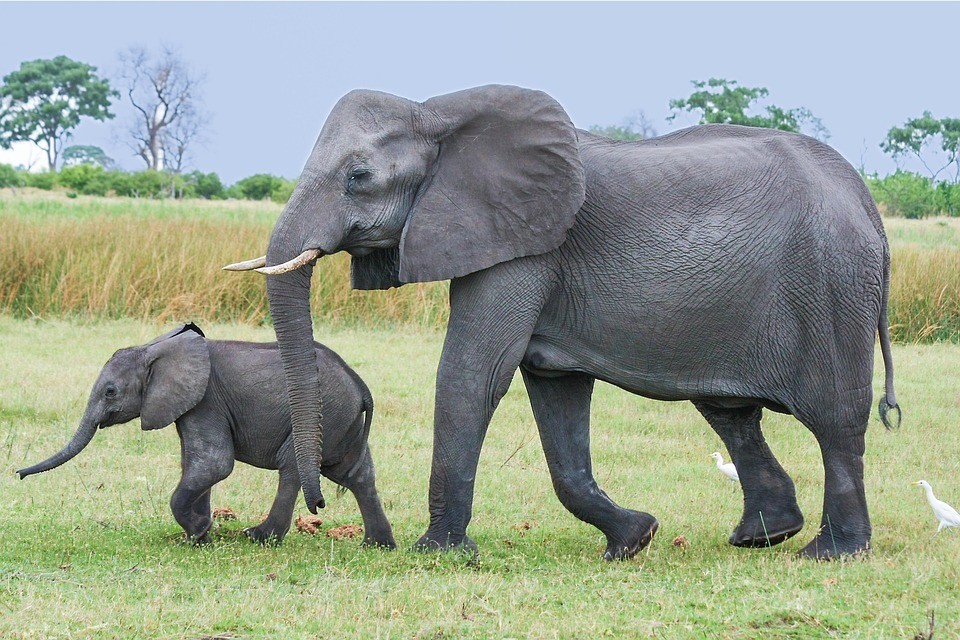
Poaching surged as the primary threat to elephants in 2012, when 96 elephants in the Mara were killed for their ivory. Since then, the dominant threat has shifted. Rapid human population growth—reported at 10.5% per annum around the Maasai Mara in 2015, more than three times the global rate—has driven an expansion of settlements, crop agriculture, fenced plots, and livestock grazing into wildlife habitat. This encroachment is fragmenting the ecosystem, blocking key wildlife corridors, and accelerating human-elephant conflict (HEC).
HEC incidents recorded by MEP rose from 84 events in 2016 to 297 in 2024, and elephant deaths from conflict have outpaced those from poaching in the same period. Elephants cause crop damage and infrastructure destruction; expanding agriculture is believed to be a key driver. Meanwhile, deforestation—including illegal logging and charcoal production—threatens critical habitats like the Mau Forest, which serves as the primary watershed for the Mara River, the ecosystem's lifeline.
Our Approach
MEP's operational framework is called the MEP Method: Monitor, Evaluate, Protect.
Monitor — MEP deploys innovative techniques and technologies, including GPS collars, conservation drones, and its own instance of EarthRanger (a real-time conservation monitoring platform), to track four pillars of protection: elephants, habitats, communities, and connectivity. A dedicated long-term monitoring (LTM) team photographs and catalogues individual elephants across the GME using a bespoke system called ElephantBook, developed with Caltech, that enables human-in-the-loop elephant re-identification.
Evaluate — MEP builds purpose-built technologies to turn conservation data into actionable outputs. These include maps, situation reports, and trend analyses used to influence policy, guide landscape planning, and direct ranger deployment. Tools like Ecoscope (an open-source analysis module) and Google Earth Engine / Esri GIS are used to quantify forest loss and ecosystem change over time.
Protect — MEP deploys over 100 local Kenyan rangers and researchers, both men and women, in partnership with the Kenya Wildlife Service (KWS), Kenya Forest Service (KFS), and the Wildlife Research and Training Institute (WRTI). Rangers operate in unprotected areas spanning approximately 11,500 km² outside conservancies and reserves, conducting anti-poaching patrols, intelligence-led investigations, human-elephant conflict mitigation, forest protection, and de-snaring operations. MEP also runs an intelligence network that has contributed to numerous arrests and ivory seizures.
Founded in September 2011 in partnership with the Government of Kenya, MEP was originally an anti-poaching organisation. It has since broadened its mission to address coexistence and habitat loss as the dominant long-term threats.
Impact
MEP's collaborative model with government and community partners has produced measurable results across its core areas of operation:
Anti-poaching: Intelligence-led patrols and investigations have disrupted poaching networks in the region. MEP's presence raises the opportunity cost for poachers and has contributed to a decline in ivory poaching from its 2012 peak.
Conflict mitigation: Rapid-response ranger teams and drone pilots respond to crop-raiding events and protect both elephants and communities. Conflict data is systematically collected and analysed to inform strategies.
Habitat protection: Ranger teams operate across the Mau, Loita, and Nyakweri forests, dismantling illegal logging sites, destroying charcoal kilns, removing snares, and arresting habitat destruction suspects. Satellite imagery analysis tracks forest loss year-on-year to guide policy.
Research and technology: Long-term monitoring of individual elephants helps detect injuries early for veterinary treatment, alerts teams to emerging threats, and provides population-level data. Bespoke tools like ElephantBook and Ecoscope have applications beyond the Mara for global conservation.
Community engagement: Rangers serve as conservation ambassadors in their communities, promoting coexistence and supporting the next generation of Kenyan conservationists. MEP also operates a community-facing AI chatbot ("Virtual Ranger") on WhatsApp and Telegram for reporting human-elephant conflict incidents.
MEP's vision is a stable, healthy elephant population coexisting peacefully with people across the Greater Mara Ecosystem.
Buy Biodiversity Tokens
Support this project by buying the Savannah Tokens.
Join our Community Forum
Any other questions? Get in touch