Invasive Mosquitoes and Climate Change: How Disease Carriers Are Spreading to New Regions
Invasive Mosquitoes and Climate Change: How Disease Carriers Are Spreading to New Regions
Learn how climate change and global shipping are driving the spread of disease-carrying mosquitoes like the Asian tiger mosquito and yellow fever mosquito into Europe and North America, and what can be done about it.
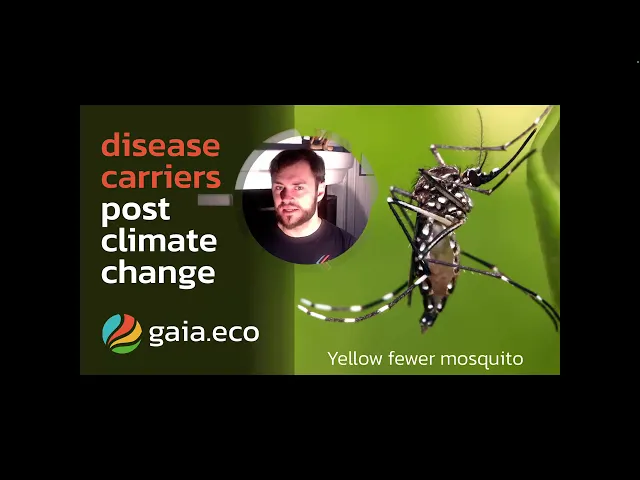
Disease-carrying mosquito species are rapidly expanding into territories where they were previously unable to survive. Two species in particular—the Asian tiger mosquito (Aedes albopictus) and the yellow fever mosquito (Aedes aegypti)—are now establishing populations across the United States, Europe, and parts of central and northern Europe that were once considered too cold to support them.
Where Are These Mosquitoes Showing Up?
The Asian tiger mosquito has been documented as far north as Helsinki, Finland—a finding that challenges long-held assumptions about the climate limits of tropical and subtropical insect species. Meanwhile, yellow fever mosquitoes have caused recent outbreaks in Poland and the Czech Republic, marking a significant northward and inland shift in their established range.
What's Driving the Spread?
Two primary factors are accelerating this expansion:
Climate change is raising average temperatures in previously inhospitable regions, creating conditions that allow mosquito populations to survive, reproduce, and overwinter in areas far beyond their native habitats. Warmer seasons are lasting longer, giving these species more time to establish themselves each year.
Global shipping and trade provide a direct transportation mechanism. Mosquito eggs and larvae travel undetected in cargo containers, tyres, and other goods, enabling populations to establish themselves thousands of kilometres from their point of origin. This means that even regions with no land-based ecological corridor to tropical zones are vulnerable to introduction.
Why It Matters: The Disease Risk
These are not nuisance mosquitoes—they are efficient vectors for serious diseases including yellow fever, dengue fever, chikungunya, and Zika virus. As mosquito populations take hold in new regions, the pathogens they carry are expected to follow. Public health systems in Europe and temperate North America, which have limited experience managing these diseases domestically, face new and growing challenges.
The key concern is not just the presence of the mosquitoes themselves, but the inevitability that, given enough time and population density, the diseases they transmit will arrive as well.
Use Cases for Awareness and Action
Public Health Surveillance
Health authorities can use data on mosquito range expansion to prioritise monitoring and early-warning systems in newly affected regions, allocating resources before outbreaks occur rather than reacting after the fact.
Environmental Education and Storytelling
Platforms like Gaia.eco enable individuals and organisations to share nature-related stories that document ecological changes in real time. Community-driven storytelling raises public awareness, engages broader audiences, and builds a distributed network of observation that complements formal monitoring programmes.
Trade and Logistics Risk Assessment
Shipping companies and port authorities can implement targeted inspection and treatment protocols for cargo arriving from regions with established mosquito populations, reducing the likelihood of accidental introduction.
Community-Level Prevention
Local communities equipped with knowledge about invasive mosquito species can take practical steps—eliminating standing water, reporting sightings, and supporting local vector control programmes—that collectively reduce the risk of population establishment.
Frequently Asked Questions
Why are tropical mosquitoes able to survive in northern climates? Rising temperatures driven by climate change are extending the geographic range in which these species can survive and reproduce. Warmer winters and longer summers provide the conditions they need to establish permanent populations.
How do mosquitoes spread through shipping? Mosquito eggs and larvae can survive in small amounts of standing water inside cargo containers, used tyres, and other shipped goods. Once unloaded at a destination port, they hatch and begin establishing local populations.
What diseases do these mosquitoes carry? The Asian tiger mosquito and yellow fever mosquito are known vectors for yellow fever, dengue, chikungunya, and Zika virus, all of which pose significant risks to human health.
Is it too late to stop the spread? While some degree of range expansion is already underway and difficult to reverse entirely, proactive surveillance, trade-based controls, community engagement, and coordinated public health responses can significantly reduce the speed and impact of further spread.
How can individuals contribute? Sharing information, participating in citizen science programmes, documenting ecological changes through platforms like Gaia.eco, and taking local preventive measures all play a meaningful role in addressing the issue.
Join our Community Forum
Any other questions? Get in touch