Parametric Design for Green Roofs and Facades
Parametric Design for Green Roofs and Facades
Learn how parametric design and GIS analytics power smarter green roofs and facades. Discover how gaia.eco optimises plant selection, extends blooming seasons, and supports urban biodiversity.
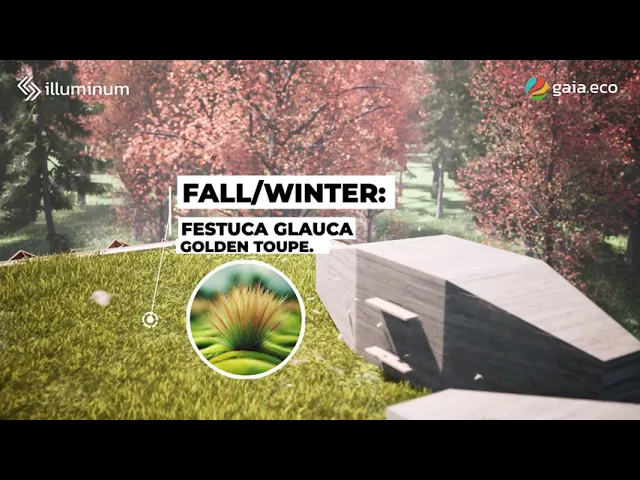
Parametric design and visual programming offer a data-driven approach to planning green roofs and facades. By combining algorithm-based modelling with GIS analytics, designers can select and position plant species that are precisely suited to a building's local environment — maximising growth, extending blooming seasons, and supporting biodiversity year-round.
How It Works
At the core of this approach is gaia.eco, a GIS-based tool that analyses geographic and climatic data for a given site. Rather than relying on generalised planting guides, gaia.eco evaluates local environmental conditions — including climate zone, sun exposure, rainfall, and soil characteristics — to recommend the plant varieties most likely to thrive at a specific location.
Parametric design techniques then determine the optimal placement of those species across the roof or facade. The result is a living system where each plant is positioned to perform at its best, and the overall composition is tuned for ecological function as well as visual impact.
Strategic Plant Selection and Positioning
Choosing the right species is only part of the equation. How and where plants are placed has a direct effect on their growth potential and on the broader ecological value of the installation.
A key design objective is to ensure diverse and overlapping blooming periods. By selecting species that flower at different times of year, designers can provide pollinators — bees, butterflies, and other insects — with a consistent food source across all seasons. This continuity supports pollinator migration, sustains local wildlife habitat, and strengthens ecological connectivity in urban areas.
Key Benefits
Optimised plant performance. GIS analytics match species to site-specific conditions, reducing plant loss and maintenance requirements.
Extended pollinator support. Staggered blooming periods keep food sources available year-round, aiding pollinator survival and migration.
Increased urban biodiversity. Thoughtful species selection and placement create habitat for a range of organisms beyond the plants themselves.
Improved building performance. Green roofs and facades contribute to stormwater management, thermal regulation, and improved urban microclimates.
Scalable methodology. The parametric approach is adaptable to different building types, climates, and project scales.
Frequently Asked Questions
What is parametric design in the context of green roofs?
Parametric design uses algorithm-based modelling to create adaptable, optimised planting layouts. Environmental variables — such as sunlight, wind, and moisture — are fed into the model, which generates configurations tailored to the specific conditions of a site.
How does Gaia Eco help with plant selection?
gaia.eco analyses geographic and climatic data for a building's location and recommends species that are best suited to those conditions. This removes much of the guesswork from plant specification and increases the likelihood of long-term planting success.
Why do diverse blooming periods matter?
Pollinators depend on a continuous supply of nectar and pollen. When a green roof or facade includes species that bloom at different times of year, it provides that continuity — supporting pollinators even during seasons when other urban food sources are scarce.
Can this approach be applied to any building type?
Yes. The methodology is flexible and can be customised for various building forms, orientations, and climate zones. Both new-build and retrofit projects can benefit from parametric green infrastructure planning.
What environmental benefits result from this design approach?
The primary benefits include increased biodiversity, enhanced habitat for pollinators, better stormwater management, reduced urban heat island effects, and improved air quality around the building envelope.
Next Steps
Architects, urban planners, and environmental designers looking to integrate data-driven green infrastructure into their projects can begin by exploring GIS-based plant selection tools like gaia.eco. Combining these tools with parametric design workflows enables planting strategies that are ecologically productive, aesthetically considered, and resilient over time.
Join our Community Forum
Any other questions? Get in touch