Getting Started
Effective Reforestation
Discover how Savimbo's reforestation model uses native species research, ecosystem restoration, biochar science, and local community partnerships to rebuild tropical forests — and why most tree-planting programs fail.
Savimbo sells carbon credits with ecological benefits. Tree planting is one component of a broader mission: building revenue-generating economies that stop deforestation and reverse its path. The model is rooted in native ecosystem restoration, scientific experimentation, and local community partnership.
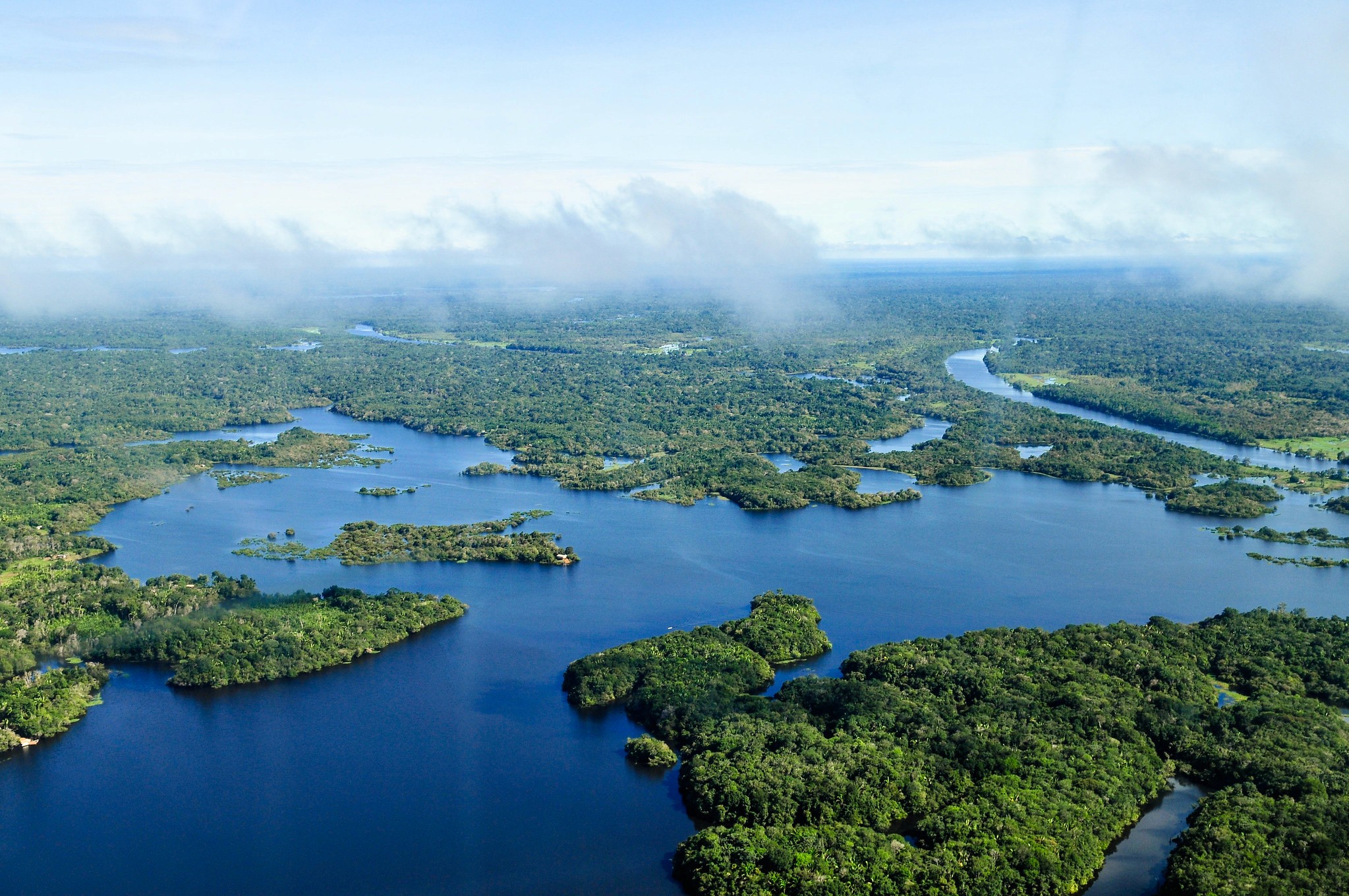
The Scale of Deforestation
Between 1990 and 2020, the planet lost approximately 420 million hectares of forest area, according to FAO data. Reforestation has become a primary tool for environmental conservation — but poorly designed programs can do more harm than good.
Why Most Tree-Planting Programs Fail
Monoculture planting: Many programs plant invasive, non-native species (e.g., eucalyptus or bamboo in the Amazon), which damage native ecosystems and are vulnerable to disease.
No monitoring: Trees planted without follow-up care or survival tracking frequently die en masse.
Perverse incentives: Some programs have inadvertently incentivized farmers to clear virgin jungle in order to receive payments for replanting.
Ecosystem destruction: Planting trees in native grasslands or without indigenous consent destroys existing habitats and violates land rights.
Ignoring complexity: A forest is not just trees. It is a complex habitat of animals, fungi, microbes, and non-tree plants. Programs that focus on tree count alone miss this entirely.
How Savimbo's Model Works
Ecosystem-First Restoration
Savimbo treats forests as interconnected systems. Restoration goes beyond planting to facilitate the return of animals, fungi, microbes, and non-tree species that are crucial for long-term forest health. In tropical forests, trees' life cycles depend on animal and bird species for spread and regeneration — they cannot be separated from the life around them.
Native Species & Genetic Diversity
Species are selected based on what is native to the local ecosystem. Savimbo works with over 3,000 different tree species found on smallfarmers' land, prioritizing genetic diversity consistent with local and regional variation. This is the only approach that ensures long-term survival and resilience of a planted forest.
Protecting Existing Forest First
Before planting new trees, Savimbo prioritizes protection of existing forest. Healthy forests regenerate naturally and serve as a foundation for broader restoration. New planting without existing forest protection has been shown to be counterproductive.
Local Community Employment & Knowledge
Smallfarmers are employed in forest protection, land preparation, planting, and maintenance. Their ancestral knowledge of local ecosystems makes them more effective than outside personnel. Without viable economic alternatives, farming communities revert to deforestation — so sustainable livelihoods are built into the model.
Scientific Experimentation
Savimbo runs ongoing field experiments including:
Biochar and bokashi — charred organic material paired with microbe-based teas harvested from native jungle. Together they enrich soil, reduce chemical use, and improve seedling survival rates in natural environments.
A/B testing plots — some planted in strips to let nearby jungle grow into the plot; others in grids near shade trees. Both approaches encourage natural species diversity beyond what could be manually planted.
Survival rate studies — species are field-tested before scaling. For example, Barbasco (a shade tree) was found to fail in open, sun-exposed plots, leading to a staged planting approach once initial canopy develops.
Native sprouting research — many of the 3,000+ local species have complex life cycles (e.g., flowering annually, dispersed by animals, germinating in specific conditions). Savimbo is building knowledge that goes beyond existing academic research.
Agrobiodiversity Revenue
Reforested plots include revenue-generating crops like açaí, chontaduro, and local superfoods. This gives farmers direct economic returns from conservation land and creates sustainable supply chains through distributor partnerships.
Controlled, Measured Growth
Savimbo admits approximately one farmer per month into its reforestation program. The pace is intentional — each plot is monitored to confirm that reforested land can generate sufficient income to replace previous land uses like cattle grazing before the program scales further.
Five Principles of Effective Reforestation
Ensure economic sustainability — provide local communities with viable livelihoods through conservation and reforestation work.
Restore and protect existing forest — healthy forests regenerate naturally and are the strongest foundation for recovery.
Investigate native species before planting — wrong species create more problems than benefits; maximize biodiversity with locally adapted genetics.
Use topographic mapping and site studies — match tree species to local terrain and conditions for maximum survival.
Provide education and monitoring — abandoned trees have very low survival rates; trained local stewards are essential.
Why Rainforest Conservation Matters
Forests provide biodiversity habitat, clean water, climate regulation, erosion prevention, crop pollination, soil fertility, and flood control.
Rainforests maintain the global water cycle; their disruption leads to famine and disease.
Rainforests produce ingredients for over 25% of modern medicines.
Tree-based carbon sequestration helps regulate Earth's climate.
Current Progress
As of the article's publication, Savimbo has planted approximately 2,000 trees across ten smallfarmers' experimental subplots. The deliberate small scale allows for rigorous testing of methods, species, and economic models before broader deployment.
Buy Biodiversity Tokens
Support this project by buying the Rain Forest Tokens.